Rectangular outdoor tables are a fantastic choice for gatherings with family and friends. They offer plenty of room for food, drinks, and games, making outdoor entertaining a breeze. Plus, they come in various styles and materials, so you can find the perfect fit for your space.
Rectangular Outdoor Tables
Enjoy spacious and stylish dining experiences with our selection of rectangular outdoor tables
Product List
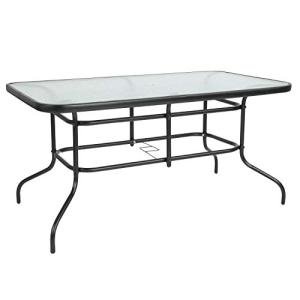
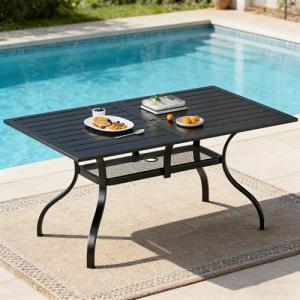
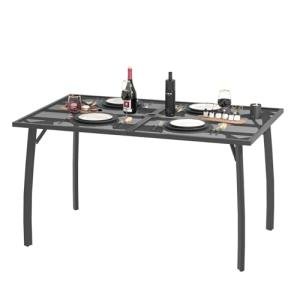
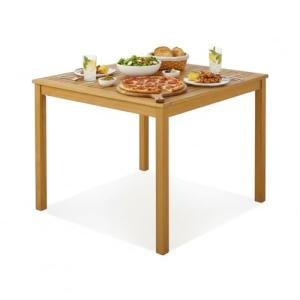
Why Rectangular? The Case for the Classic Shape
Round tables are great for intimate dinners. Square tables work well on smaller patios. But rectangular outdoor dining tables have been the go-to shape for a reason — several, actually.
They seat more people efficiently. A 72-inch rectangular table comfortably seats six. Push it to 84 or 96 inches and you're looking at eight to ten guests without anyone sitting at a weird angle. That kind of scalability is hard to match with any other shape.
They fit most outdoor spaces naturally. Patios, decks, and yards tend to be longer than they are wide. A rectangular table works with that geometry rather than against it. It leaves walkways clear, fits neatly against a railing or pergola post, and doesn't eat up square footage the way a large round table might.
They anchor a space visually. Interior designers have known for decades that a strong rectangular form gives a room structure. The same applies outdoors. A well-chosen rectangular dining table becomes the visual centerpiece of your entire outdoor living area — everything else, from the chairs to the planters to the string lights above, organizes itself around it.
They're practical for serving food. Family-style meals, buffet spreads, charcuterie boards, birthday cakes — all of it lands more naturally on a long, flat rectangular surface than on any other shape.
Choosing the Right Size
Before you fall in love with a table's finish or style, measure your space. This step saves a lot of headaches.
Patio and Deck Sizing
As a general rule, you want at least 36 inches of clearance on all sides of the table — enough for someone to push back their chair and walk behind without squeezing. So if your patio is 12 feet wide, your table shouldn't exceed about 6 feet (72 inches) in width including chairs.
Seating Capacity by Table Length
- 60 inches (5 feet): Seats 4–6 comfortably
- 72 inches (6 feet): Seats 6–8
- 84 inches (7 feet): Seats 8
- 96 inches (8 feet): Seats 8–10
- 108+ inches (9+ feet): Seats 10–12
If you frequently host large groups, go bigger than you think you need. A table that seats exactly six means six people with no wiggle room. Give yourself a size up.
Standard Table Height
Most outdoor dining tables sit at 29 to 30 inches tall — the same as indoor dining tables. This pairs with standard dining chairs. If you're going with a bar-height setup or a counter-height table, look for heights around 34–36 inches and pair with stools accordingly.
Materials: What They're Made Of Matters More Outside
Outdoor furniture lives a harder life than indoor furniture. It deals with UV rays, rain, humidity, bird droppings, pollen, and temperature swings. The material you choose determines how much maintenance you're signing up for — and how long the table will actually last.
Teak
Teak is widely regarded as the gold standard for outdoor wood furniture, and for good reason. It's naturally high in oils and rubber, which makes it resistant to moisture, rot, and insects without any treatment. A well-made teak table can last 50 years or more. The wood weathers from its original honey-gold color to a distinguished silver-gray if left untreated — some people love this look, others prefer to maintain the original color with teak oil applied once or twice a year.
The tradeoff is price. Teak rectangular outdoor dining tables are among the most expensive options on the market. You're paying for longevity, and if you intend to keep the table for decades, the math often works out.
Acacia
Acacia is a popular and more affordable alternative to teak. It's a dense, durable hardwood with natural water resistance. It's not quite as maintenance-free as teak — it benefits from regular oiling — but it holds up well in most climates and delivers a warm, natural look at a more accessible price point.
Eucalyptus
Another FSC-certified hardwood option, eucalyptus sits between acacia and teak in terms of durability and price. It has a fine grain, takes stain well, and performs reliably in outdoor environments when sealed or oiled seasonally.
Aluminum
Powder-coated aluminum has become one of the most popular materials for modern outdoor dining tables, and the reasons are straightforward: it doesn't rust, it's lightweight enough to rearrange without help, and it requires almost no maintenance beyond the occasional wipe-down. Quality aluminum frames won't dent easily and the powder coating holds up well against UV.
Aluminum tables often feature tops made from the same material, or paired with slats, tempered glass, or resin. The look tends toward the contemporary, with clean lines and a sleek profile.
Steel
Heavier than aluminum and more prone to rust if the coating chips, steel is less common in premium outdoor furniture but still appears in many mid-range and budget options. Look for powder-coated or galvanized finishes. Steel tables have a solidity to them that some buyers prefer — they feel planted, which is useful in windy climates.
Wrought Iron
Traditional and heavy, wrought iron tables bring a classic, ornate aesthetic that nothing else quite replicates. They're extremely durable and wind-resistant, but they do require some upkeep — primarily checking for rust spots and touching up with rust-resistant paint when needed. Their weight makes them difficult to move, so they work best in a fixed dining setup.
Concrete and Stone
Concrete and natural stone tops (granite, travertine, slate) bring a high-end, permanent feel to outdoor dining spaces. They're incredibly durable and look beautiful paired with the right base. The downsides: they're heavy, potentially very expensive, and stone in particular can stain or etch if not sealed properly. These are best suited to covered patios where they won't see constant direct weather exposure.
HDPE and Resin (Poly Lumber)
High-density polyethylene furniture is made from recycled plastic materials and has become increasingly respected in the outdoor furniture market. It doesn't rot, splinter, or fade, and it's impervious to moisture. Many poly lumber tables are designed to mimic the look of real wood without any of the maintenance. They're an especially smart choice in high-humidity climates like the Southeast or coastal areas.
Tabletop Designs: More Than Aesthetics
The top of a rectangular outdoor dining table does more than look good. Its design affects airflow, rain drainage, heat absorption, and how comfortable it is to actually eat on.
Solid tops (wood plank, aluminum panel, concrete) give you a full flat surface and a more formal dining feel. They work well for entertaining because nothing falls through.
Slatted tops allow rain to drain through and air to circulate, reducing warping in wood tables and preventing water pooling. The gaps can occasionally be a nuisance for smaller items, but overall slatted tops are practical and attractive.
Tempered glass tops are paired most often with metal frames and create a sleek, contemporary look. They're easy to clean, don't absorb heat as aggressively as metal, and let the base design show through. Look for at least 5mm thickness — thicker is better for larger tables.
Tile and mosaic tops are beautiful and weather-resistant, common in Mediterranean or Southwestern-inspired outdoor spaces. They're heavier than most and require grout maintenance over time, but they're genuinely stunning and very durable.
Style and Design Considerations
Matching Your Outdoor Aesthetic
Outdoor design has come a long way from matching patio sets in a single catalog color. Today's rectangular outdoor dining tables come in styles that parallel every interior design trend — and mixing and matching is expected.
Modern and Minimalist: Clean lines, matte powder-coated aluminum or concrete tops, neutral colors (black, white, charcoal, taupe). These tables often have a thin profile and an architectural quality.
Farmhouse and Rustic: Thick wood plank tops, turned or trestle bases, natural warm tones. Acacia and teak tables often fall here, especially when finished with a lighter wash or left to weather naturally.
Coastal and Nautical: Whitewashed or weathered finishes, sometimes with rope accents on chairs, breezy and laid-back in feel. Teak with gray weathering is popular in coastal markets.
Traditional and Classic: Wrought iron bases with ornate detailing, warm wood tops, symmetrical design. These tables complement more formal outdoor spaces with symmetrical garden layouts.
Industrial: Steel or powder-coated iron bases, sometimes with raw-look wood tops. Urban rooftops, concrete patios, and lofts-with-outdoor-space lean this direction.
Umbrella Compatibility
If your outdoor dining area doesn't have a pergola or shade structure, an umbrella hole in the center of the table is worth seeking out. Most rectangular outdoor dining tables in the 6-foot-and-up range offer this as a standard feature or optional add-on.
Look for a hole diameter of at least 1.5 inches — most market umbrellas have poles in the 1.5-inch range. Larger cantilever umbrellas mount separately and don't require a table hole, but they do require space and proper anchoring.
Caring for Your Outdoor Dining Table
How you care for your table depends on its material, but a few universal principles apply.
Cover it when not in use. A fitted weather-resistant cover adds years to any outdoor table's lifespan. This is especially important during winter months or extended periods without use.
Clean it regularly. Pollen, sap, bird droppings, and food residue all degrade finishes over time. A mild soap and water solution handles most cleaning jobs. Avoid abrasive scrubbers on painted or resin surfaces.
Store cushions indoors. Even "outdoor" cushions degrade faster when left exposed. Bring them in during rain or store them in a deck box.
Oil wood tables seasonally. Teak, acacia, and eucalyptus benefit from a coat of the appropriate oil every one to two seasons, especially if you want to maintain the original color.
Inspect hardware annually. Loose bolts and corroded hardware are safety issues. A quick yearly check keeps things solid.
What to Look For When Shopping
When comparing rectangular outdoor dining tables, these are the factors that separate a great long-term purchase from something you'll be replacing in three years:
Construction quality: Joints should be tight, tabletop boards (if slatted) should be evenly spaced, and any hardware should be stainless steel or rust-treated.
Weight: Heavier isn't always better, but a table that blows over in a summer storm is useless. Make sure the table has appropriate mass for your climate.
Warranty: Quality brands stand behind their products. Look for at least a one-year structural warranty; better brands offer three to five years.
Chair compatibility: Don't buy the table without knowing what chairs you'll use. Most rectangular dining tables pair with armless side chairs along the long sides and armchairs at the heads — but measure to confirm.
Leveling feet: Outdoor surfaces are rarely perfectly level. Adjustable leveling glides under the legs are a small feature that makes a noticeable difference in stability.
A rectangular outdoor dining table is one of the most used — and most loved — pieces of furniture you'll own. It's where you'll have slow Sunday brunches, birthday dinners, holiday cookouts, and late-night conversations that go longer than anyone planned. It earns its place.
Take your time choosing the right one. Measure your space generously. Think about how much maintenance you're genuinely willing to do. And invest a little more than feels comfortable, because a well-made outdoor dining table bought once is a far better deal than a cheap one replaced every few years.
The right table is out there. And the meals around it are going to be worth it.