Outdoor benches are a fantastic addition to your patio or garden space, perfect for relaxing with friends and family. They provide extra seating and can really brighten up any outdoor area. Whether you're enjoying a sunny morning coffee or hosting a weekend barbecue, these benches help create a cozy vibe.
Outdoor Benches
Find the perfect seating for your backyard gatherings and enjoy meals under the open sky
Product List
Types of Outdoor Benches to Know Before You Buy
Garden Benches
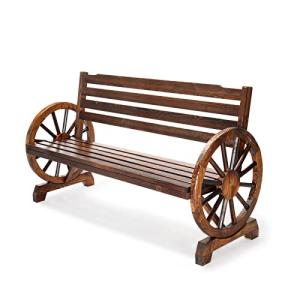
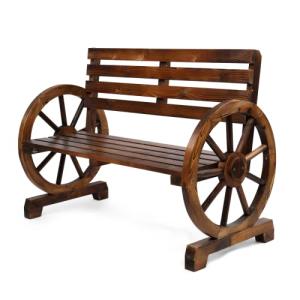
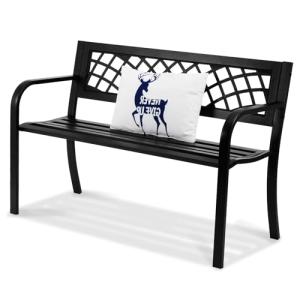
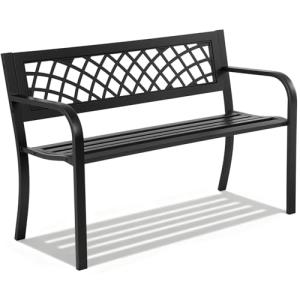
Garden benches are the classic. Think wrought iron scrollwork, wooden slats, and an arched back — the kind of bench you'd find in a Victorian park or an English cottage garden. They're designed to be decorative as much as functional. Many garden benches are available in distressed finishes or antiqued metals that age beautifully over time, blending naturally into planted landscapes.
These benches typically seat two people and range from 42 to 52 inches wide. They're ideal for garden paths, flower borders, and any spot where you want the bench to feel like part of the landscape rather than furniture dropped into it.
Patio and Deck Benches
Patio benches lean modern. Clean lines, powder-coated aluminum frames, weather-resistant cushions — these are built for the outdoor living room, not the rose garden. You'll find them in neutral tones (charcoal, slate, sand) as well as bolder accent colors designed to coordinate with full patio sets.
Many homeowners pair patio benches with dining tables as additional seating, or use them along the perimeter of a deck to define the space. Some come with built-in storage under the seat — a practical bonus if you're working with a small patio and need somewhere to stash cushions, gardening tools, or pool toys.
Entryway and Front Porch Benches
These benches tend to be a bit narrower and more vertical in their back design, fitting neatly beside a front door without blocking foot traffic. They strike a balance between welcoming and practical — somewhere to rest a bag, take off muddy boots, or sit for a moment before heading inside.
Materials here often lean toward painted wood or resin wicker, both of which hold up well under covered porches where direct rain isn't a concern but humidity and seasonal temperature swings still are.
Storage Benches
A storage bench is one of the most practical things you can add to an outdoor space. Lift the seat, and you've got a weatherproof chest that's perfect for cushions, throws, sports gear, and outdoor toys. Many double as a coffee table alternative on small patios where space is premium.
When shopping for a storage bench, pay close attention to the seal around the lid and whether the interior is moisture-resistant. Some models include ventilation panels to prevent mildew buildup — a thoughtful detail worth looking for if you're storing fabric items.
Backless Benches and Accent Benches
Backless benches — sometimes called settees or garden settees — are popular in contemporary and minimalist spaces. Without a back, they're lighter visually and work well in tight spots. They're also easier to reposition on the fly. You'll find these in natural wood, concrete, stone composite, and metal, and they often double as planters or decorative elements alongside their seating function.
Outdoor Bench Materials: What Holds Up and What Doesn't
Teak
Teak is the gold standard for outdoor wood furniture in the U.S. It's naturally dense, high in oils, and incredibly resistant to moisture, warping, and insects. Untreated, it weathers to a soft silver-gray that many homeowners love. If you prefer to keep the warm honey-brown color, a teak sealer applied once a year does the trick.
Teak is an investment — benches made from quality teak cost more upfront — but they routinely last 20 to 30 years with minimal maintenance. If you're in a humid climate like the Southeast or a wet coastal region, teak is hard to beat.
Eucalyptus
Eucalyptus is often called teak's more affordable cousin, and for good reason. It shares many of teak's natural properties — dense grain, natural oil content, resistance to moisture — at a noticeably lower price point. It's a sustainable option as well, since eucalyptus grows significantly faster than teak.
With annual oiling, eucalyptus benches hold up beautifully for a decade or more. Without maintenance, they gray out faster than teak, though many find that patina appealing.
Cedar and Redwood
Both cedar and redwood are popular choices for DIY-built benches and production furniture alike. They're lightweight, easy to work with, and naturally resistant to rot and insects. Cedar in particular has a pleasant natural scent and a warm reddish tone that looks beautiful freshly stained.
These woods benefit from a UV-resistant finish and occasional resealing. In dry climates like the Southwest, they hold up exceptionally well. In very wet environments, they'll need more attention to avoid splintering.
Powder-Coated Steel and Aluminum
Metal benches are a strong choice for longevity and low maintenance. Powder-coated steel is heavier and more substantial — it won't shift in wind, which is a plus in exposed locations. Aluminum is lighter, rust-proof, and easier to move, making it a practical option if you rearrange your outdoor space seasonally.
The quality of the coating matters. Look for benches that specify multiple layers of powder coating or an anti-rust primer underneath. A cheap single-coat finish will chip and rust within a few seasons.
All-Weather Wicker and Resin
Resin wicker has come a long way. The early versions looked plasticky and faded fast. Today's all-weather resin wicker is UV-stabilized, tightly woven around aluminum frames, and genuinely attractive. It's a popular option for covered patios and porches where it gets some protection from direct sun and rain.
This is a particularly good choice if you want something that looks warm and textural without the maintenance of natural materials.
Concrete and Stone Composite
Concrete and stone composite benches are permanent fixtures — literally. They don't move easily, which means they're perfect for formal gardens, commercial landscapes, or any installation where you want the bench to feel like part of the architecture. They require almost zero maintenance and hold up in any climate.
The tradeoff is comfort and flexibility. These benches are typically hard and cold without a cushion, and once placed, they stay put.
How to Choose the Right Size Outdoor Bench
Sizing is where a lot of shoppers go wrong. A bench that looks fine in a product photo can feel enormous — or disappear — in an actual outdoor space.
For two-person seating, look for benches in the 42 to 52 inch range. These work well in most gardens and on standard-size patios. Three-person benches run 53 to 60 inches. Anything wider starts to feel more like a loveseat and may be harder to fit without overwhelming a space.
Seat height matters for comfort. Standard outdoor bench seat height is between 17 and 19 inches. If you're pairing a bench with a dining table, aim for a seat height around 18 inches to align comfortably with standard table heights of 28 to 30 inches.
Depth affects how comfortable a bench feels for extended sitting. A seat depth of 18 to 20 inches is practical and supportive. Shallower benches (under 16 inches) work fine for brief sitting but become uncomfortable on longer evenings.
Cushions, Accessories, and Styling Tips
A bare wooden or metal bench is functional. Add a cushion, and it becomes somewhere people want to actually sit. Outdoor cushions made from solution-dyed acrylic fabrics — Sunbrella being the most well-known brand — resist fading, mold, and moisture far better than standard polyester. They cost more, but in direct sun or humid conditions, the difference is significant.
Throw pillows in complementary patterns can turn a simple bench into a design moment. For a cohesive look, pull one color from your surrounding landscaping or your home's exterior palette and repeat it in your textiles.
Bench placement affects how it reads in the space. Angled slightly away from a wall looks more intentional than flush against it. Position a garden bench so it faces something worth looking at — a flower bed, a water feature, a view across the yard. The bench should feel like a destination, not an afterthought.
Maintaining Your Outdoor Bench Through the Seasons
Maintenance varies by material, but there are a few universal habits that extend the life of any outdoor bench. Clean regularly — a mild soap and water rinse a few times per season prevents grime buildup that can trap moisture against surfaces. Store cushions indoors or in a weatherproof chest when not in use.
For wood benches, inspect annually for cracks, checking especially around joints and fasteners where water collects. Reapply oil or sealant as needed. For metal benches, look for chips or scratches in the coating each spring and touch up with matching paint before rust gets a foothold.
In harsh northern winters, lighter benches can be stored in a garage or shed. Heavier pieces — teak, concrete, quality metal — can typically stay outside year-round. A breathable furniture cover protects surfaces from debris and UV exposure during the off-season without trapping moisture.
Find the Outdoor Bench That Fits Your Life
The best outdoor bench isn't necessarily the most expensive or the most stylish — it's the one that fits how you actually use your outdoor space, holds up to your local climate, and looks right at home where you put it. Whether you're furnishing a sprawling backyard, a narrow apartment balcony, or a front entry that needs a little warmth, there's a bench here for you.
Take your time, think about the material that matches your maintenance tolerance, get the dimensions right, and don't forget a cushion. A good outdoor bench, properly chosen, will be one of those pieces you stop and appreciate every time you walk past it.