Bar and counter height tables are perfect for outdoor gatherings. They create a relaxed vibe, making it easy to socialize while sipping drinks or enjoying a meal. Whether you’re hosting a backyard barbecue or enjoying a quiet evening under the stars, these tables fit right in and add that extra touch of style and comfort.
Bar & Counter Height Tables
Elevate your outdoor dining experience with stylish bar and counter height tables perfect for gatherings
Product List
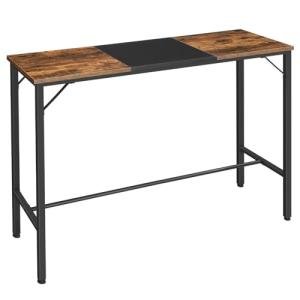
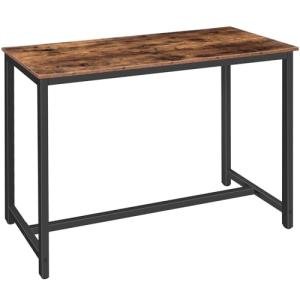
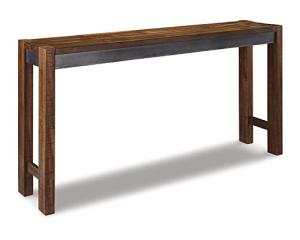
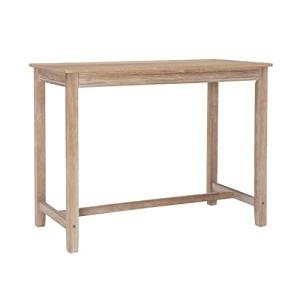
Bar Height vs. Counter Height: What's the Difference?
Counter height outdoor tables typically stand between 34 and 36 inches tall. This is a natural, comfortable height for most adults when paired with counter height stools or chairs that have a seat height of about 24 to 26 inches. Counter height tables tend to feel slightly more intimate and connected than true bar height — guests are closer to eye level with each other, making them a great choice for family dinners al fresco or weekend brunches on the patio.
Bar height outdoor tables sit taller, usually between 40 and 42 inches. These pair best with bar stools that have seat heights in the 28 to 30 inch range. The extra elevation gives them a more distinctly social, lounge-like feel. They're the go-to choice for entertaining, cocktail hours, and spaces where you want people to mingle rather than settle in for a long sit-down meal.
Both heights work beautifully outdoors, and your choice often comes down to the primary use of the space and the aesthetic you're going for. If you're furnishing a large deck meant for weekend entertaining and late-night drinks under string lights, bar height is your friend. If the goal is a more relaxed outdoor dining space that bridges the gap between inside and outside living, counter height delivers that grounded, everyday comfort.
Materials That Withstand the Great Outdoors
One of the most important decisions you'll make when shopping for an outdoor high-top table is the material. Not all materials are created equal when it comes to handling UV exposure, humidity, rain, and temperature swings across the American seasons. Here's a breakdown of the most popular options.
Aluminum
Aluminum is arguably the gold standard for outdoor furniture in the U.S. market. It's lightweight, completely rust-proof, and holds up beautifully in humid coastal climates from the Florida Gulf Coast to the Pacific Northwest. A powder-coated aluminum bar table can last for decades with minimal maintenance — usually just an occasional wipe-down with mild soap and water.
One thing to keep in mind: aluminum conducts heat. Tables with dark powder-coated finishes can get hot to the touch on a blazing summer afternoon in Arizona or Texas. If that's a concern, look for tables with a teak inlay or a stone top that won't absorb heat quite as aggressively.
Steel and Iron
Steel and wrought iron bring a heftiness and old-world charm that aluminum simply can't replicate. A wrought iron bar table on a brick patio has a permanence and gravitas that works beautifully in traditional or cottage-style home settings. The trade-off is weight and maintenance — steel and iron are susceptible to rust if the protective coating is chipped or scratched. In coastal or high-humidity environments, this becomes a real consideration.
Powder-coated steel and galvanized steel options reduce but don't eliminate the rust risk. If you live somewhere with hard winters and salt air, aluminum or teak might serve you better.
Teak
Teak is the luxury choice, and for good reason. This dense tropical hardwood is naturally rich in oils that repel water, resist rot, and deter insects — all without any chemical treatment. A quality teak bar height dining table develops a beautiful silver-gray patina over time, or you can apply teak oil annually to maintain its original warm honey tone.
Teak is heavier than aluminum and significantly more expensive, but it's also genuinely heirloom-quality furniture. Responsibly sourced teak from certified forests is the environmentally conscious choice and something to look for when comparing brands.
HDPE / Poly Lumber
High-density polyethylene lumber — often called poly lumber or simply HDPE — has exploded in popularity in recent years, and it earns every bit of the attention. Made largely from recycled plastic (often old milk jugs and similar containers), poly lumber furniture is virtually indestructible. It won't rot, crack, splinter, or fade. It's impervious to moisture, insects, and most of the punishment that outdoor living throws at furniture.
Poly lumber outdoor bar tables are an especially smart choice for pool decks, lakeside docks, beach houses, or any application where water exposure is a constant. They require zero maintenance, come in dozens of colors, and hold up in everything from Minnesota winters to Louisiana summers.
Concrete and Porcelain Tops
Tabletops made from cast concrete or porcelain tile bring a modern, architectural quality to outdoor spaces. They're extremely durable, heat-resistant, and scratch-resistant. Many homeowners pair these tops with aluminum or powder-coated steel bases for a combination that's both stylish and maintenance-friendly.
Concrete tops are heavy, which can actually be a plus if you live somewhere windy. They also stay relatively cool in direct sun compared to dark metal surfaces. Porcelain tops mimic natural stone beautifully and clean up with almost no effort — a major selling point for families with kids.
Choosing the Right Size and Shape
High-top outdoor tables come in a range of shapes — round, square, rectangular, and occasionally oval — and each works better in some settings than others.
Round tables are the social butterfly of the outdoor furniture world. Everyone faces each other, conversations flow naturally, and there are no sharp corners to navigate around. A round bar height table is ideal for balconies, small patios, and any space where you want to maximize the sense of intimacy. They're also safer around young children. Common diameters range from 28 inches (great for two people) to 48 inches (comfortable for four to five).
Square tables offer a clean, geometric look that works especially well in modern and contemporary outdoor spaces. They tile and repeat nicely if you're furnishing a restaurant patio or a large deck with multiple seating zones. Square tables in the 36 to 42 inch range seat four comfortably and feel balanced in most patio proportions.
Rectangular tables are built for crowd. If you're the type to host large gatherings — Super Bowl parties, Fourth of July cookouts, graduation celebrations — a long rectangular bar height table gives you the surface area to actually seat everyone together. Pair it with a bench on one side and bar stools on the other for a flexible, casual setup that adapts to different group sizes.
When sizing, remember to leave at least 36 inches of clearance around all sides of the table for comfortable movement. In tighter spaces, that may mean choosing a smaller table than you'd ideally like — but a well-scaled smaller table is almost always more functional and more inviting than an oversized one crammed into a tight corner.
Style and Design Considerations
Bar and counter height outdoor dining tables span a huge range of aesthetic directions, so there's no shortage of options regardless of your home's style.
Modern and contemporary designs tend to favor clean lines, minimalist bases — hairpin legs, pedestal bases, simple cross braces — and neutral color palettes: black, white, warm gray, and natural wood tones. These tables layer well with almost any outdoor décor and age gracefully as trends shift.
Farmhouse and rustic styles embrace chunky wood tops, distressed finishes, and turned or X-brace bases. A reclaimed wood bar table with a black iron base is an extremely popular choice in American backyards right now — it brings warmth and texture without feeling fussy or high-maintenance.
Coastal and Hamptons-inspired looks lean toward whitewashed finishes, natural teak, and weather-beaten blues and greens. These tables feel right at home on a beach house deck or a breezy screened porch in the Southeast.
Industrial styles — typically steel bases with concrete or butcher block tops — have a raw, urban energy that suits rooftop terraces, converted warehouse homes, and modern loft-style properties.
Practical Features Worth Paying Attention To
Beyond material and aesthetics, a few practical features can make a meaningful difference in day-to-day use.
Umbrella holes are worth having even if you don't plan to use one right away. A central umbrella hole (typically 1.5 to 2 inches in diameter) gives you the flexibility to add shade later without needing a new table. Many tables come with a plug to fill the hole when it's not in use.
Weight and stability matter more than people realize with bar height tables. The taller a table is, the more leverage wind and accidental bumps have against it. Look for tables with weighted bases, rubber feet, or the option to anchor them. In hurricane-prone states or areas with regular high winds, heavier materials like cast iron, teak, or concrete-topped tables are worth the extra investment for that stability alone.
Stackable or folding designs are a practical consideration for spaces that serve multiple purposes — a patio that doubles as a yoga space, or a balcony that needs to be cleared in winter. Several manufacturers offer bar height folding tables that are surprisingly sturdy and good-looking.
Stain and scratch resistance is particularly relevant for tabletops. Powder-coated surfaces, porcelain tops, and HDPE are among the most resistant. Natural wood, while beautiful, benefits from seasonal sealing or oiling.
Pairing Your Table With the Right Stools
A bar or counter height table is only half the equation. The stools or chairs you choose need to match the table height precisely for comfortable seating. As a rule, leave about 10 to 12 inches between the seat of the stool and the underside of the tabletop. That means counter height tables (34–36 inches) pair with 24–26 inch stools, and bar height tables (40–42 inches) pair with 28–30 inch stools.
Swivel stools are perennially popular outdoors — they make it easy to turn and chat with someone standing nearby, and they give outdoor spaces a casual, laid-back bar energy that guests tend to love. Backless stools save space under the table and work well in tighter footprints. Stools with backs and even low arms offer more comfort for extended sit-down meals.
Making the Right Investment
Bar and counter height outdoor dining tables occupy a sweet spot in the outdoor furniture market — they're functional for everyday dining, perfect for entertaining, and visually striking in a way that flat-height tables simply can't match. Whether you're shopping for a weekend project on a modest budget or outfitting a high-end outdoor kitchen remodel, this category offers options at virtually every price point.
Focus on the material that matches your climate and lifestyle, the size that fits your space without overwhelming it, and a style that feels genuinely like you. Outdoor furniture is an investment in how you live — and the right bar or counter height table has a way of becoming the place where the best conversations happen.