Looking to enjoy meals outdoors with friends or family? A 4-person bistro set is perfect for cozy gatherings on your patio or garden. These compact sets offer just the right amount of seating while adding a charming vibe to your outdoor space.
4-Person / Bistro Sets
Perfect for cozy meals with family or friends in your backyard or patio
Product List
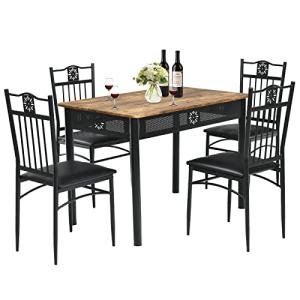
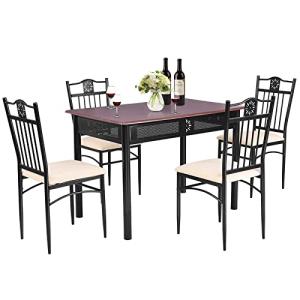
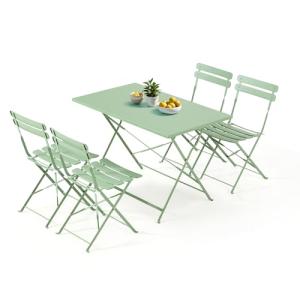
What Makes a 4-Person Outdoor Set Different from Larger Options
When most people think "outdoor dining," they imagine long farmhouse tables and eight matching chairs. But the reality of American backyard life is a little more practical. According to home and garden trends, the average household entertains most often in groups of two to four people — which means a 4-person set covers the overwhelming majority of your real-life use cases without wasting space or money.
A 4-person configuration also gives you design flexibility that larger sets simply can't match. You can tuck it into a corner of a covered porch, center it on a small concrete patio, or anchor it in the middle of a wraparound deck. And when you're not entertaining, it becomes a natural hangout spot — a place to drink your morning coffee, read a book, or let the kids do homework in the fresh air.
Bistro Set vs. Full Dining Set: Understanding the Difference
The terms "bistro set" and "outdoor dining set" are sometimes used interchangeably, but there are meaningful differences worth knowing.
Bistro Sets
A bistro set typically features a smaller, round or square tabletop — usually between 28 and 36 inches in diameter — paired with two to four chairs or stools. The style draws inspiration from French sidewalk cafés: compact, charming, and slightly elevated. Most bistro sets are designed for two people, but 4-person bistro configurations do exist and are popular for apartments, townhomes, and smaller patios where a full dining table would feel overwhelming.
Bistro sets tend to skew more decorative. You'll find them in wrought iron, cast aluminum, and powder-coated steel with classic scroll details or minimalist café-inspired lines. They're the choice when you want your outdoor space to feel curated and intentional rather than purely functional.
Full 4-Person Outdoor Dining Sets
A full 4-person dining set typically includes a larger rectangular, square, or round table — usually 36 to 48 inches across — paired with four matching chairs. These sets feel more like a traditional dining table moved outdoors, which is exactly the point. They offer more surface area for plates, drinks, serving dishes, and centerpieces.
Full dining sets work well on mid-size to larger patios and are the better choice if you regularly eat full meals outside, host guests for dinner, or have kids who need elbow room.
Materials: What Your Set Is Made Of Matters More Than You Think
The material your outdoor dining set is made from will determine how long it lasts, how much maintenance it needs, how it weathers across seasons, and how it looks five years from now. Here's an honest breakdown of the most common materials on the American market.
Aluminum
Aluminum is one of the most popular choices for outdoor furniture in the U.S., and for good reason. It's lightweight (making it easy to rearrange or store seasonally), naturally rust-resistant, and holds up well in both humid coastal environments and dry inland climates. Cast aluminum sets tend to look more ornate, while extruded aluminum leans modern and clean-lined.
The trade-off: aluminum can feel less substantial than steel or iron, and cheaper versions may dent or warp under heavy use. Look for powder-coated finishes that add a layer of durability and color longevity.
Steel and Wrought Iron
Steel and wrought iron sets have a classic, weighty feel that many homeowners love. They don't blow around in a gust of wind, they look sophisticated, and they age beautifully — especially wrought iron, which develops a natural patina over time.
The downside is weight (moving these sets requires effort) and susceptibility to rust if the finish is scratched or neglected. For areas with heavy rainfall or salt air, you'll need to be more diligent about maintenance and off-season storage.
Teak and Hardwood
For a timeless, natural aesthetic, teak outdoor dining sets are in a class of their own. Teak is a dense tropical hardwood that produces its own natural oils, making it resistant to moisture, insects, and rot without much intervention. A teak set can genuinely last decades if cared for properly.
The investment, however, is real. Quality teak sets are among the most expensive options on the market, and they require periodic oiling or treatment to maintain their honey-brown color (left untreated, teak weathers to a handsome silver-gray). Acacia and eucalyptus are more budget-friendly hardwood alternatives that perform well in most U.S. climates.
Wicker and Rattan (Synthetic)
All-weather wicker — synthetic resin woven over a powder-coated aluminum frame — is a perennial bestseller in American outdoor furniture. It delivers the cozy, textural look of natural wicker without the fragility. These sets resist UV fading, moisture, and temperature swings far better than the real thing.
Pairing woven chairs with a glass or aluminum tabletop is one of the most common 4-person bistro set configurations you'll find at major retailers. The look works with almost any patio aesthetic, from coastal to contemporary to bohemian.
Recycled Plastic (HDPE)
High-density polyethylene lumber — the kind made from recycled milk jugs and plastic bottles — has gone from a niche material to a mainstream outdoor furniture option. HDPE is virtually maintenance-free: it won't rot, splinter, fade, or absorb moisture. You can leave it outside year-round in almost any climate.
The early reputation of plastic patio furniture as cheap and flimsy doesn't apply here. Quality HDPE sets feel solid and look refined, and they come in a wide range of colors. They're an especially smart pick for families with young kids or homeowners who simply don't want to think about furniture upkeep.
Choosing the Right Table Shape
The shape of your table influences both how the set functions and how it fits your space.
Round tables are ideal for conversation. With no head of the table, everyone feels equally included — which is part of why bistro-style round tables remain so popular. They also work better in tighter spaces because there are no corners to bump into.
Square tables offer a structured, symmetrical look. They're great for defined patio areas and work particularly well with modern or geometric design schemes. Keep in mind that a square 4-person table tends to feel cozier than a rectangular one.
Rectangular tables give you the most surface area and work best in longer, narrower patio configurations. They create a more formal dining feel, and they offer the option of adding a fifth or sixth chair at either end if you need to expand for guests.
Comfort: Don't Overlook the Chairs
The table gets all the attention, but the chairs are what your guests will actually remember. A beautiful table paired with uncomfortable seating is a missed opportunity — especially if you're the type to linger over dinner for hours.
Look for chairs with slightly sloped seat backs, which cradle your spine naturally. Armrests are a personal preference but add comfort for long meals. Stackable chairs are worth prioritizing if storage space is limited, as are chairs with included cushions — outdoor seat cushions make a noticeable difference in comfort and are easy to store indoors during rain or off-season.
Some 4-person sets swap standard chairs for benches, especially in farmhouse or industrial styles. Benches are practical (they seat more in a pinch), space-efficient, and casual — but they lack individual back support, which some people find uncomfortable for long dinners.
Style and Aesthetics: Matching Your Outdoor Space
Your outdoor dining set should feel like an extension of your home's personality, not an afterthought.
Modern and contemporary sets favor clean lines, neutral palettes (black, white, gray, greige), and materials like powder-coated aluminum, concrete composite, and tempered glass. These sets look sharp on urban rooftops, modern decks, and minimalist patios.
Farmhouse and rustic sets lean on natural wood tones, warm metals, and distressed finishes. Teak, acacia, and wrought iron are natural fits. These sets feel at home on covered porches and in gardens with lush, organic landscaping.
Coastal and bohemian sets embrace wicker, light woods, whitewashed finishes, and relaxed, informal shapes. Paired with the right cushions and a string of lights overhead, a wicker bistro set can completely transform a modest patio.
Traditional and classic sets often feature ornate cast aluminum or wrought iron with curved legs, lattice details, and scroll accents. These are the sets that look like they belong in a garden party in Savannah or a shaded terrace in Charleston.
What to Look for in Terms of Quality
Not all outdoor dining sets are built to last. Here are the markers that separate a quality purchase from one you'll be replacing in two seasons:
Welded joints vs. bolted connections. Welded aluminum or steel frames hold up significantly better over time than sets held together purely with bolts and screws, which can loosen with seasonal expansion and contraction.
Powder-coat thickness. A quality powder-coat finish should be uniform and thick enough to resist chipping. Run your hand along the underside of a chair leg — rough, uneven coating is a red flag.
Tempered glass tabletops. If your set includes a glass top, make sure it's tempered rather than standard glass. Tempered glass is significantly stronger and, if it does break, shatters into small blunt pieces rather than dangerous shards.
UV-resistant materials and finishes. In most U.S. regions, outdoor furniture sits under direct sun for months. UV resistance isn't a luxury feature — it's what keeps your chairs from fading to a sad chalky version of their original color by year two.
Weight capacity and stability. Check manufacturer specs for chair weight capacity, especially if you're shopping for a household where heavier guests will be using the furniture regularly. Well-built outdoor chairs should feel stable and solid when you apply pressure to the back legs.
Size and Space Planning
Before you buy, measure your patio or balcony and account for clearance. A good rule of thumb: leave at least 36 inches between the edge of the table and any wall, railing, or obstruction. This gives people room to pull chairs out and sit down comfortably.
For a standard 4-person rectangular table, plan for a patio area of at least 10 x 10 feet. Bistro-style round tables can work in tighter spaces — some fit comfortably in a 6 x 8 foot balcony area, especially with folding or stacking chairs.
If you're shopping for a space with shade from a pergola, umbrella, or overhead structure, check whether your table has an umbrella hole or the option to add one. For open sun exposure, UV-treated materials become even more important.
Maintenance Tips to Make Your Set Last
No outdoor furniture is truly zero-maintenance, but some sets come close. Here's how to extend the life of whatever set you choose:
- Clean regularly with mild soap and water. Avoid abrasive scrubbers on powder-coated surfaces.
- Cover or store cushions when not in use. Even "outdoor" fabric degrades faster when left wet or exposed to continuous direct sun.
- Apply teak oil or sealant annually to hardwood sets if you want to preserve the original color.
- Touch up scratches on metal frames promptly with rust-inhibiting paint to prevent oxidation from spreading.
- Store or cover the full set during winter in northern U.S. climates. Even weather-resistant materials benefit from protection during harsh freeze-thaw cycles.
A 4-person outdoor dining or bistro set is one of those purchases that quietly improves your everyday life. It gives your outdoor space a reason to exist — a destination, not just a pass-through. Whether you're drawn to the sculptural elegance of a wrought iron bistro set, the warmth of a teak dining table, or the low-maintenance practicality of all-weather wicker, the right set is out there for your space, your climate, and your lifestyle.
Focus on material quality, comfort, and accurate measurements before anything else. The aesthetic details are important, but a set that holds up season after season — in heat, rain, and everything the American weather calendar throws at it — is what will actually earn its place on your patio.